Basement Living: Affordability, Reality, and Child Safety Considerations
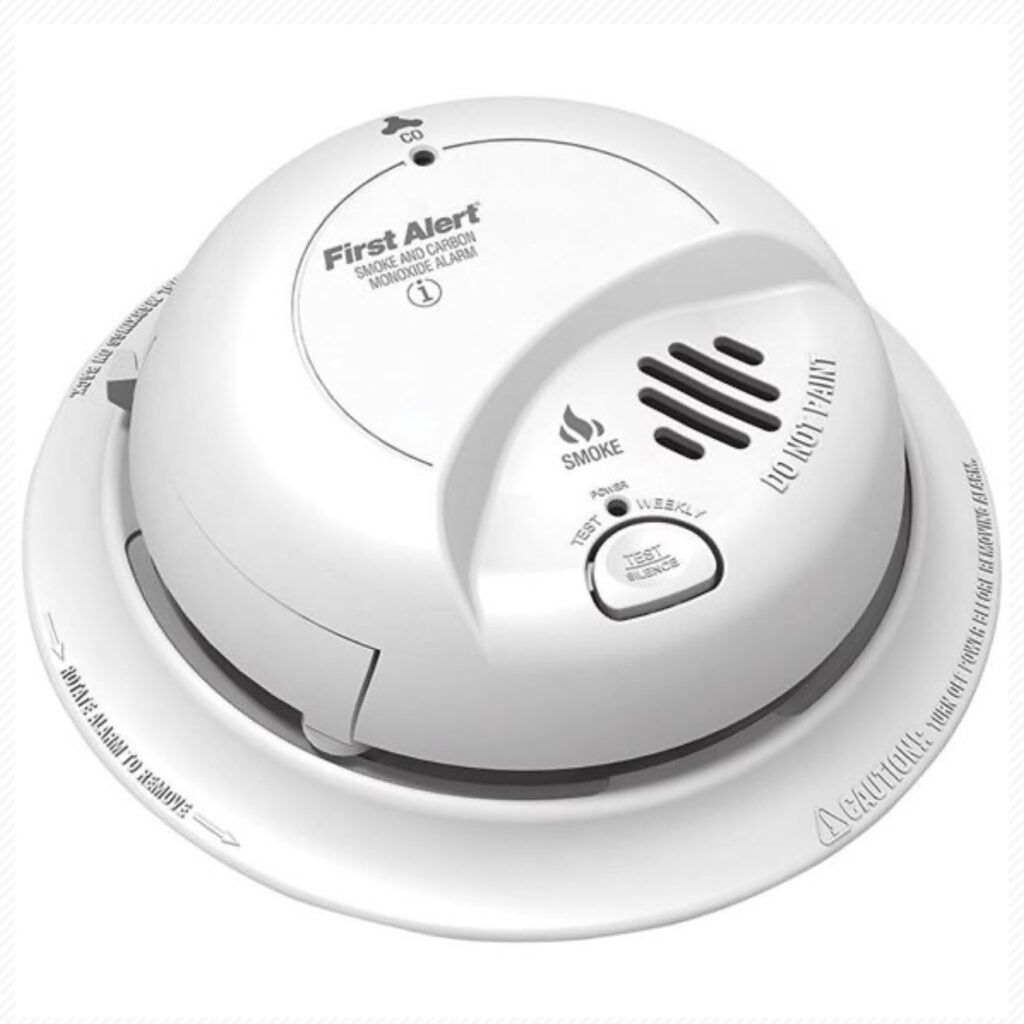
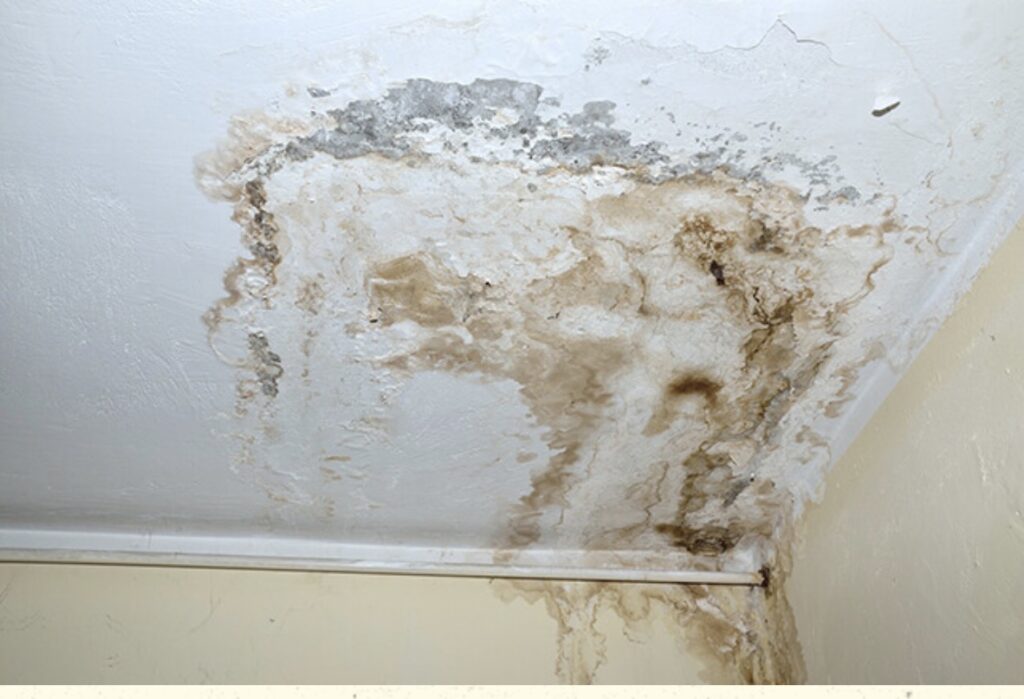
International research shows that people live in basements due to housing affordability, proximity to work and schools, and access to established neighborhoods. For many families, basement housing is the only available option. While it can offer privacy and lower costs, studies also warn of serious concerns, especially for children, including limited natural light, poor air quality, fire safety risks, and exposure to moisture and mold that can affect physical and cognitive development. The BasementLife platform provides evidence-based guidance focused on safety, health, and livability, helping families, landlords, and policymakers create safer environments for children and all occupants.

A healthy basement requires electrical safety as a foundation. Wiring must meet code standards, be properly grounded, and protected from moisture to prevent fire hazards and system failures.
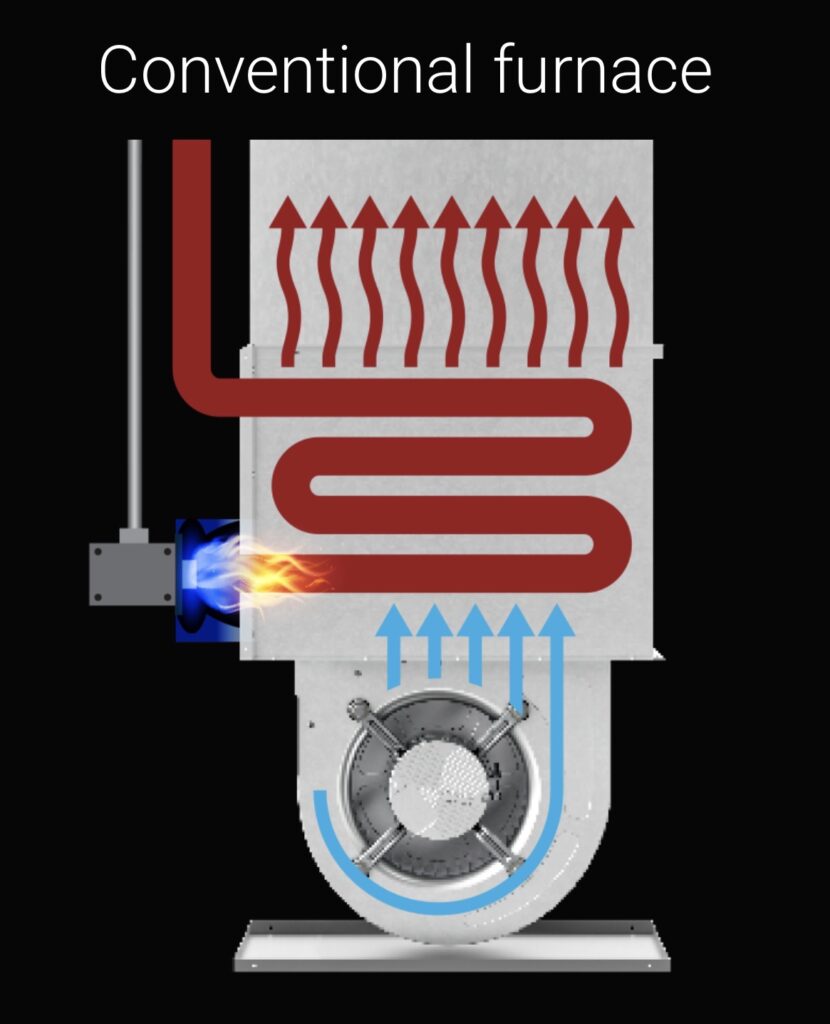
Fire prevention is equally essential, especially in furnace and mechanical rooms. Domestic sprinklers or approved fire suppression systems reduce risk, while clearances around equipment must be strictly maintained.